
Gallbladder stone, also known as gallstones or Cholelithiasis, is one of the most common digestive problems today. These stones form inside the gallbladder due to the imbalance of digestive fluids, mainly cholesterol and bile salts. In many cases, gallstones remain silent and cause no symptoms, but sometimes they can lead to severe abdominal pain, nausea, and indigestion.
If left untreated, gallstones can cause complications like gallbladder infection, jaundice, or even pancreatitis. The good news is, with early diagnosis and natural remedies, this condition can be managed effectively.
What is Gallbladder Stone?
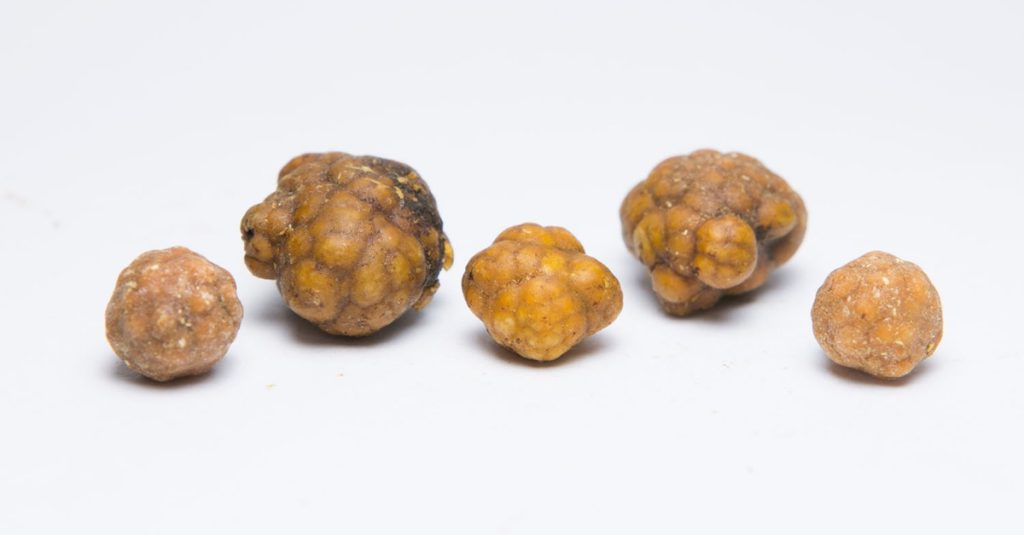
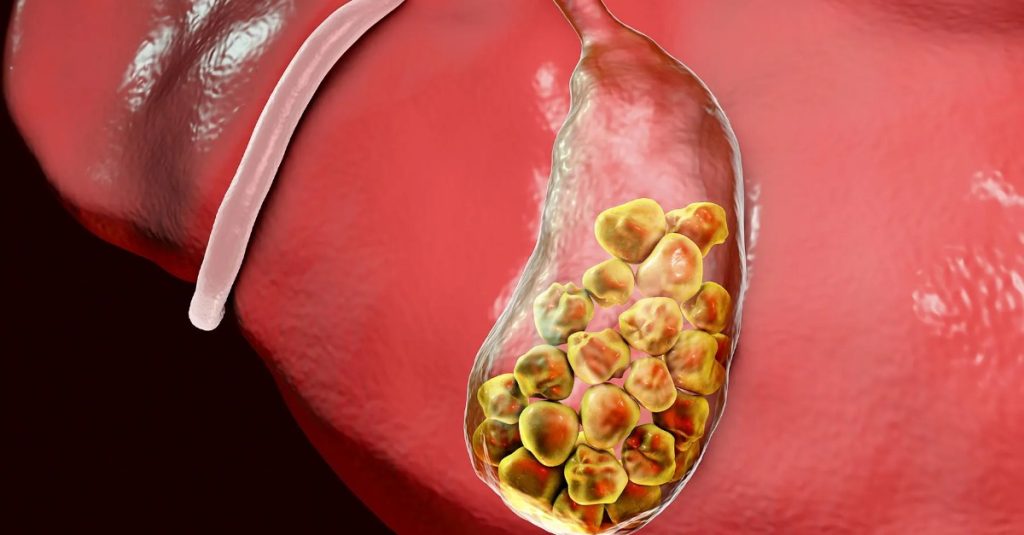
The gallbladder is a small organ located under the liver that stores bile, a digestive fluid that helps in breaking down fats. When there is too much cholesterol, bile salts, or bilirubin in bile, they can crystallize and form hard stones, called gallstones.
Gallstones can range in size from a tiny grain of sand to as large as a golf ball.
Types of Gallstones
Cholesterol Gallstones – Made mostly of hardened cholesterol, the most common type.
Pigment Gallstones – Formed when bile contains too much bilirubin.
Mixed Gallstones – Combination of cholesterol, calcium, and bile pigments.
Causes of Gallbladder Stone
The exact cause is not always clear, but common factors include:
High cholesterol levels in bile
Poor diet rich in fatty and fried foods
Obesity and lack of exercise
Family history of gallstones
Rapid weight loss or fasting
Diabetes and liver disease
Hormonal imbalance, especially in women
Symptoms of Gallbladder Stones
Many people don’t experience any symptoms, but when stones block the bile ducts, the following problems may occur:
Severe pain in the upper right abdomen (gallbladder attack)
Pain radiating to the back or right shoulder
Nausea and vomiting
Indigestion, bloating, and gas
Yellowing of skin or eyes (jaundice) in severe cases
Fever and chills if infection occurs
Complications of Untreated Gallstones

If ignored, gallstones can lead to serious health issues:
Cholecystitis (Inflammation of gallbladder)
Pancreatitis (Inflammation of pancreas)
Jaundice due to bile duct obstruction
Gallbladder cancer (rare but possible)
Diagnosis of Gallbladder Stones
Doctors usually diagnose gallstones through:
Ultrasound – The most common and accurate method
Blood tests – To check for infection or jaundice
CT Scan or MRI – In complicated cases
Treatment of Gallbladder Stone:

Treatment depends on the severity of symptoms:
- Conventional Treatment
Medications – Some drugs help dissolve gallstones but are slow and not always effective.
Surgery (Cholecystectomy) – Removal of the gallbladder, commonly done if gallstones cause repeated problems.
- Ayurvedic & Natural Remedies
Ayurveda believes gallstones are caused by an imbalance of Pitta dosha leading to poor digestion and accumulation of toxins. Natural remedies include:
Kalonji (Nigella seeds) – Traditionally used with honey to help dissolve stones.
Apple cider vinegar – Helps reduce pain and improve bile flow.
Dandelion tea – Supports liver and gallbladder function.
Lemon juice with warm water – Flushes toxins and prevents stone formation.
Triphala – A classical Ayurvedic formulation that improves digestion and prevents stone growth.
Always consult a qualified doctor or Ayurvedic practitioner before starting any self-treatment.
Diet Tips for Gallbladder Stone Patients
Eat a fiber-rich diet (fruits, vegetables, whole grains)
Avoid fried, oily, and processed foods
Reduce sugar and refined carbs
Maintain a healthy weight
Stay hydrated by drinking 8–10 glasses of water daily
Include healthy fats like olive oil in moderation
Prevention of Gallstones
Exercise regularly to maintain body weight
Eat balanced meals at regular times
Avoid crash diets and rapid weight loss
Include turmeric, ginger, and garlic in diet for better digestion
Regular liver and gallbladder detox with natural herbs
Conclusion:
Gallbladder stones are a growing health concern due to unhealthy lifestyles and poor dietary habits. While surgery is the most common modern treatment, Ayurveda and natural remedies provide safe and effective alternatives for prevention and management.
By making simple lifestyle changes, eating a healthy diet, and following Ayurvedic principles, one can reduce the risk of gallstones and improve overall digestive health.
Here are the review oy our patient, you should be watch
You May Also Like: Gallstones Can Be a Pain in The Back